
Tooth Extraction
Learning that you may need a tooth extraction can feel overwhelming, but in many cases, removing a tooth is the best step toward protecting your overall oral health.
Modern dentistry makes tooth extractions safe, comfortable, and straightforward, often providing fast pain relief and preventing more serious issues.
What Is a Tooth Extraction?
A tooth extraction is the removal of the entire tooth structure from its socket in the jawbone. Dentists recommend extractions only when a tooth cannot be saved or when keeping it would negatively impact surrounding teeth or your oral health. Wisdom teeth extractions are also performed when teeth become impacted, or when there is not enough space in the jaw to properly accommodate them.
Whenever possible, preserving your natural teeth is always the priority. However, tooth extraction can sometimes be the most effective solution.
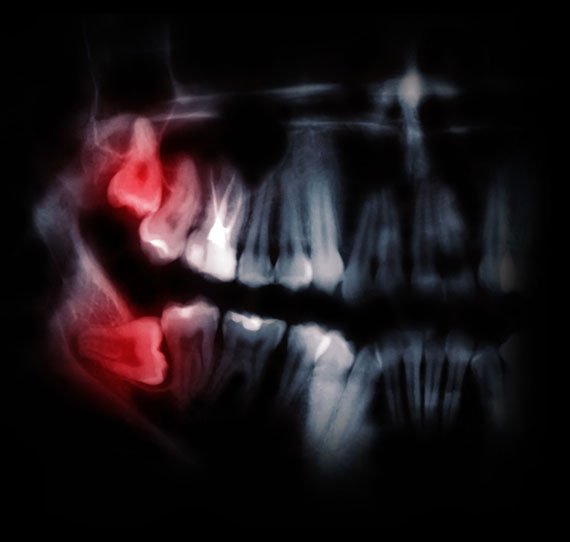
Common Reasons for Tooth Extraction
- Severe tooth decay that cannot be restored with a filling or crown
- Advanced gum disease (periodontal disease) is causing tooth loosening
- Broken or fractured teeth beyond repair
- Impacted wisdom teeth are causing pain or crowding
- Overcrowding before orthodontic treatment
- An infection or abscess that has not responded to other treatments
Addressing these dental issues early helps prevent the spread of infection and protects surrounding teeth.
Types of Tooth Extractions
Simple Extraction – Performed on visible teeth, this procedure involves loosening and removing the tooth using specialized instruments.
Surgical Extraction – Necessary for teeth that are difficult to access (such as impacted teeth). This may involve a small incision in the gum to remove the tooth safely.
Your dentist will use dental X-rays to determine the best treatment option for your specific situation.
What to Expect During the Procedure
Tooth extractions are typically quick and performed with your comfort in mind:
- The area is numbed with local anesthesia.
- The tooth is carefully loosened and removed.
- Gauze is placed in the area to manage bleeding and promote clot formation.
- Post-care instructions are provided for healing.
You may feel pressure during the procedure, but not pain.
Recovery and Aftercare
Proper aftercare is vital for a smooth recovery. Most patients heal within a few days to a week.
After your extraction:
- Bite gently on the gauze to stop bleeding.
- Avoid smoking or using straws for at least 24 hours.
- Stick to soft foods like soup, yogurt, and mashed potatoes.
- Apply a cold compress to reduce swelling.
- Keep the area clean, but avoid rinsing vigorously on the first day.
Following these instructions helps prevent complications such as dry socket and supports faster healing.
Tooth Replacement Options
After a tooth extraction, replacing the missing tooth is often recommended to maintain your bite and prevent the shifting of surrounding teeth.
Common options include:
- Dental implants for a permanent solution
- Dental bridges to fill the gap
- Partial dentures for multiple missing teeth
Your dentist will help you choose the best option based on your needs and goals.
If you’re experiencing tooth pain or think you may need an extraction, contact us today. We’re here to guide you through your options and help you get back to a healthy, confident smile.
Hours of Operation
| Monday | 11AM - 8PM |
| Tuesday | 10AM - 3PM |
| Wednesday | 12PM - 8PM |
| Thursday | 11AM - 6PM |
| Friday | 9AM - 2PM |
| Saturday | Select Saturdays – Hygiene Appointments Only |
| Sunday | Closed |

Breslau Commons Plaza
10 Townsend Dr. Unit 11, Breslau N0B 1M0
If you need to talk to us after business hours, please call our office at (519) 648-3888 and leave a message.